


What Can You Fit Inside the 2026 Hyundai TUCSON?
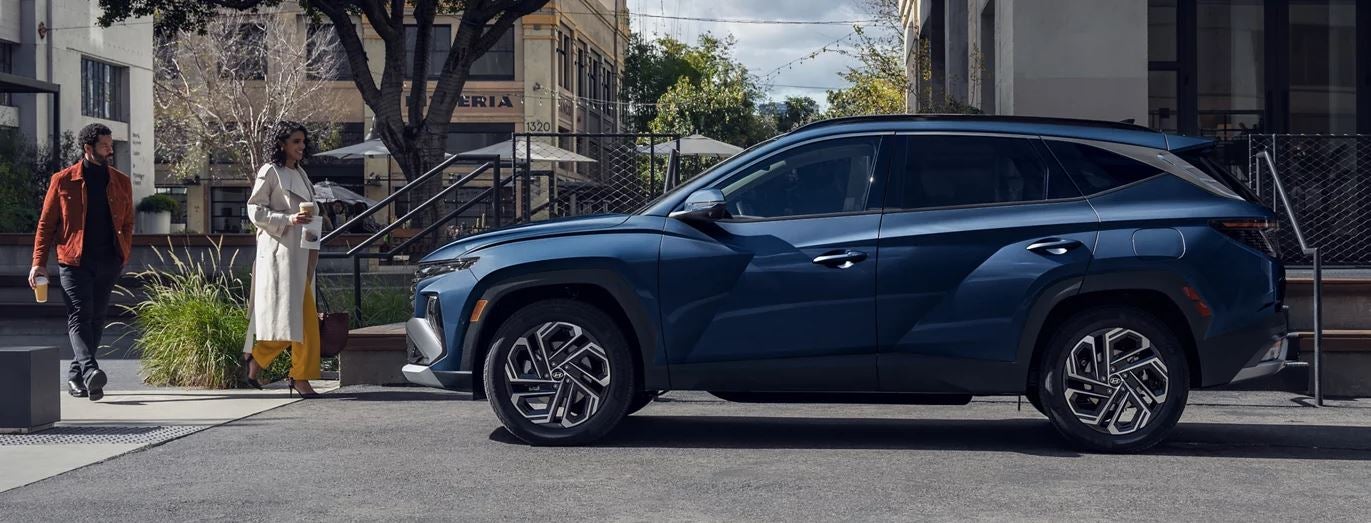 What Can You Fit Inside the 2026 Hyundai TUCSON? A Guide for Springfield Shoppers
Do you have a need for more storage space in your next vehicle? In that case, you’ll feel heard by the 2026 Hyundai TUCSON, which hosts 80.3 cubic ft. of maximum cargo volume behind the first row. Learn more about what you can do with this area in this overview from us at Springfield Hyundai!
Practical Notes for Estimating Cargo Space in the 2026 Hyundai TUCSON
With the rear seats folded down, you've got 80.3 cubic feet to work with — that's enough for genuinely big stuff:
Behind the first row (80.3 cubic ft., seats folded):
- A full mattress (queen or even king, angled in)
- Flat-pack furniture — a dresser, bookshelf, or small wardrobe in boxes
- A bicycle (adult-sized, wheels may need to come off or not, depending on frame)
- Several large moving boxes stacked two or three high
- A washer or dryer unit (single, with careful loading)
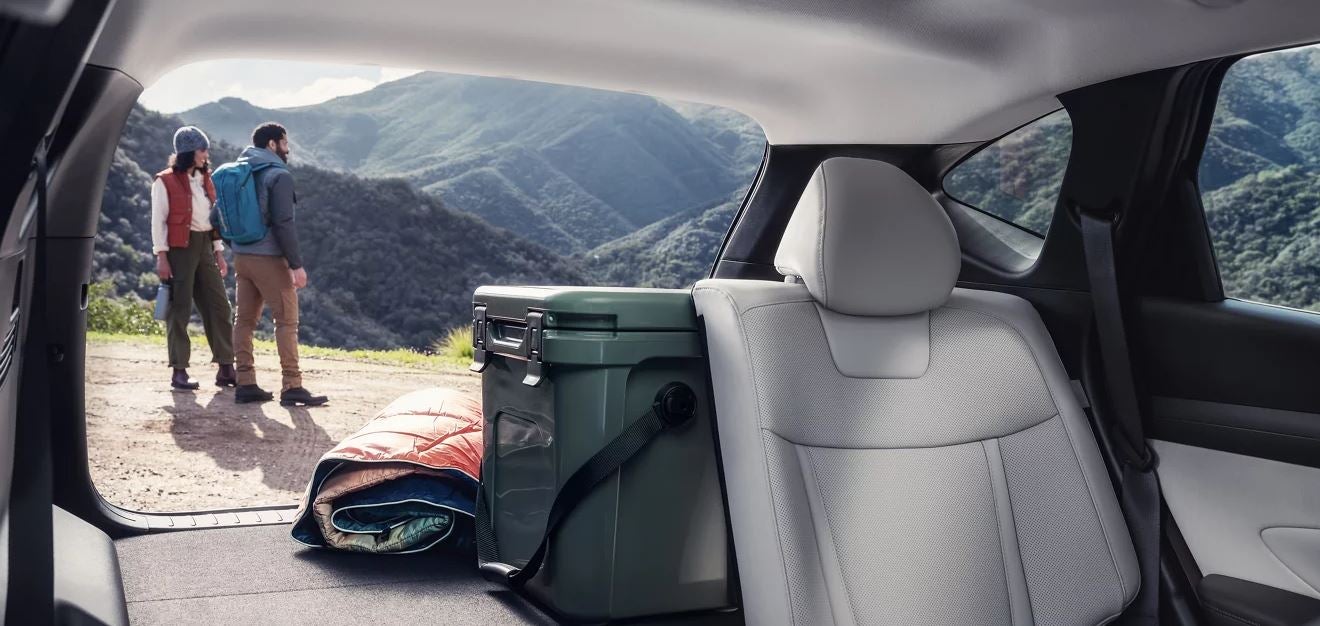
- Camping gear for a family trip — tent, cooler, sleeping bags, folding chairs, all at once
- A small kayak or paddleboard (partially extending toward the front seats if needed)
Behind the second row (41.2 cubic ft., seats up):
- Weekly grocery runs for a large family, several bags deep
- 3-4 medium suitcases plus backpacks for a road trip
- A couple of large moving boxes or storage bins
- Golf bags (2-3 depending on shape)
- A stroller, diaper bag, and other kid gear
- A cooler plus beach or picnic gear
Rough rule of thumb: 41.2 cubic ft. is close to the size of a large chest freezer's interior volume, while 80.3 cubic ft. is in the range of a small walk-in closet.
Measuring Before You Load
Cargo specs like 80.3 and 41.2 cubic ft. are calculated using a standardized method, so real world packing rarely hits that number. Boxes and furniture don't stack perfectly, and irregular shapes leave gaps. A safer approach is to measure the length, width and height of your item and compare it to the cargo area's actual dimensions, not just the total volume figure.
Height Matters More Than You Think
The published cubic footage doesn't tell you the height of the opening or the space between the floor and the roofline. A tall dresser or a stack of boxes might fit in terms of volume but still not clear the liftgate opening or the sloped roof toward the rear. Always check the liftgate height and the load floor to roof measurement if you're moving anything tall across I-476.
Folding the Seats Changes the Shape, Not Just the Size
When the second row folds, you gain volume, but you also get a slightly uneven load floor where the seatbacks meet the cargo area. Flat items like mattresses or plywood sheets often need to be angled to sit level. Soft sided items like duffel bags and cargo bins tend to adapt to these gaps better than rigid furniture. Our dealership team can tell you more about this.
Weight Distribution
Cargo volume numbers don't account for weight limits. Every vehicle has a maximum cargo and passenger weight combined, often listed as payload capacity in the owner's manual. Loading the TUCSON to its full cubic ft. of space with something dense, like books or tile, could exceed that limit well before the space runs out.
Wheel Wells and Side Intrusions
Cargo area width is usually narrower at the wheel wells than at the widest point near the doors. If you're loading something wide and rigid to bring to Indian Rock Park, like a folded table or a large cooler, measure the narrowest point of the cargo floor rather than the widest, since that's what will determine whether it slides in.
Using the Front Passenger Seat
For items too long for the cargo area alone, folding the front passenger seat forward can add several extra feet of usable length. This is worth checking if you're transporting something like a kayak, surfboard, or long lumber that won't fit at an angle in the back. Contact our dealership if you have any more questions.
Practical Notes for Estimating Cargo Space in the 2026 Hyundai TUCSON
With the rear seats folded down, you've got 80.3 cubic feet to work with — that's enough for genuinely big stuff:
Behind the first row (80.3 cubic ft., seats folded):
- A full mattress (queen or even king, angled in)
- Flat-pack furniture — a dresser, bookshelf, or small wardrobe in boxes
- A bicycle (adult-sized, wheels may need to come off or not, depending on frame)
- Several large moving boxes stacked two or three high
- A washer or dryer unit (single, with careful loading)
- Camping gear for a family trip — tent, cooler, sleeping bags, folding chairs, all at once
- A small kayak or paddleboard (partially extending toward the front seats if needed)
Behind the second row (41.2 cubic ft., seats up):
- Weekly grocery runs for a large family, several bags deep
- 3-4 medium suitcases plus backpacks for a road trip
- A couple of large moving boxes or storage bins
- Golf bags (2-3 depending on shape)
- A stroller, diaper bag, and other kid gear
- A cooler plus beach or picnic gear
Rough rule of thumb: 41.2 cubic ft. is close to the size of a large chest freezer's interior volume, while 80.3 cubic ft. is in the range of a small walk-in closet.
Measuring Before You Load
Cargo specs like 80.3 and 41.2 cubic ft. are calculated using a standardized method, so real world packing rarely hits that number. Boxes and furniture don't stack perfectly, and irregular shapes leave gaps. A safer approach is to measure the length, width and height of your item and compare it to the cargo area's actual dimensions, not just the total volume figure.
Height Matters More Than You Think
The published cubic footage doesn't tell you the height of the opening or the space between the floor and the roofline. A tall dresser or a stack of boxes might fit in terms of volume but still not clear the liftgate opening or the sloped roof toward the rear. Always check the liftgate height and the load floor to roof measurement if you're moving anything tall across I-476.
Folding the Seats Changes the Shape, Not Just the Size
When the second row folds, you gain volume, but you also get a slightly uneven load floor where the seatbacks meet the cargo area. Flat items like mattresses or plywood sheets often need to be angled to sit level. Soft sided items like duffel bags and cargo bins tend to adapt to these gaps better than rigid furniture. Our dealership team can tell you more about this.
Weight Distribution
Cargo volume numbers don't account for weight limits. Every vehicle has a maximum cargo and passenger weight combined, often listed as payload capacity in the owner's manual. Loading the TUCSON to its full cubic ft. of space with something dense, like books or tile, could exceed that limit well before the space runs out.
Wheel Wells and Side Intrusions
Cargo area width is usually narrower at the wheel wells than at the widest point near the doors. If you're loading something wide and rigid to bring to Indian Rock Park, like a folded table or a large cooler, measure the narrowest point of the cargo floor rather than the widest, since that's what will determine whether it slides in.
Using the Front Passenger Seat
For items too long for the cargo area alone, folding the front passenger seat forward can add several extra feet of usable length. This is worth checking if you're transporting something like a kayak, surfboard, or long lumber that won't fit at an angle in the back. Contact our dealership if you have any more questions.

Discounts and/or finance offers may not be combined. For In-Transit inventory, any date of arrival is estimated. The actual date of delivery may vary due to circumstances beyond Hyundai and the dealer’s control. Please contact your local Hyundai dealer for availability details.
More Info
Compare Certified Programs
 Hyundai Certified Used Vehicles
|
 Hyundai Select Used
|
|
|---|---|---|
| Vehicle eligibility | 6 model years old and newer with 80k miles or less |
|
| Vehicle inspection | 173-point inspection | 117-point inspection |
| Limited warranties |
|
|
| If anything happens |
|
|
| Complimentary trials |
|
|
Springfield Hyundai
Address
754 Baltimore Pike
Springfield, PA 19064-3052
Phone
- Sales 877-428-7515
- Service 877-840-0235
| Monday | 9:00AM - 8:00PM |
| Tuesday | 9:00AM - 8:00PM |
| Wednesday | 9:00AM - 8:00PM |
| Thursday | 9:00AM - 8:00PM |
| Friday | 9:00AM - 8:00PM |
| Saturday | 9:00AM - 5:00PM |
| Sunday | Closed |
| Monday | 7:30AM - 6:00PM |
| Tuesday | 7:30AM - 6:00PM |
| Wednesday | 7:30AM - 6:00PM |
| Thursday | 7:30AM - 6:00PM |
| Friday | 7:30AM - 6:00PM |
| Saturday | 8:00AM - 4:00PM |
| Sunday | Closed |
| Monday | 7:30AM - 6:00PM |
| Tuesday | 7:30AM - 6:00PM |
| Wednesday | 7:30AM - 6:00PM |
| Thursday | 7:30AM - 6:00PM |
| Friday | 7:30AM - 6:00PM |
| Saturday | 8:00AM - 4:00PM |
| Sunday | Closed |